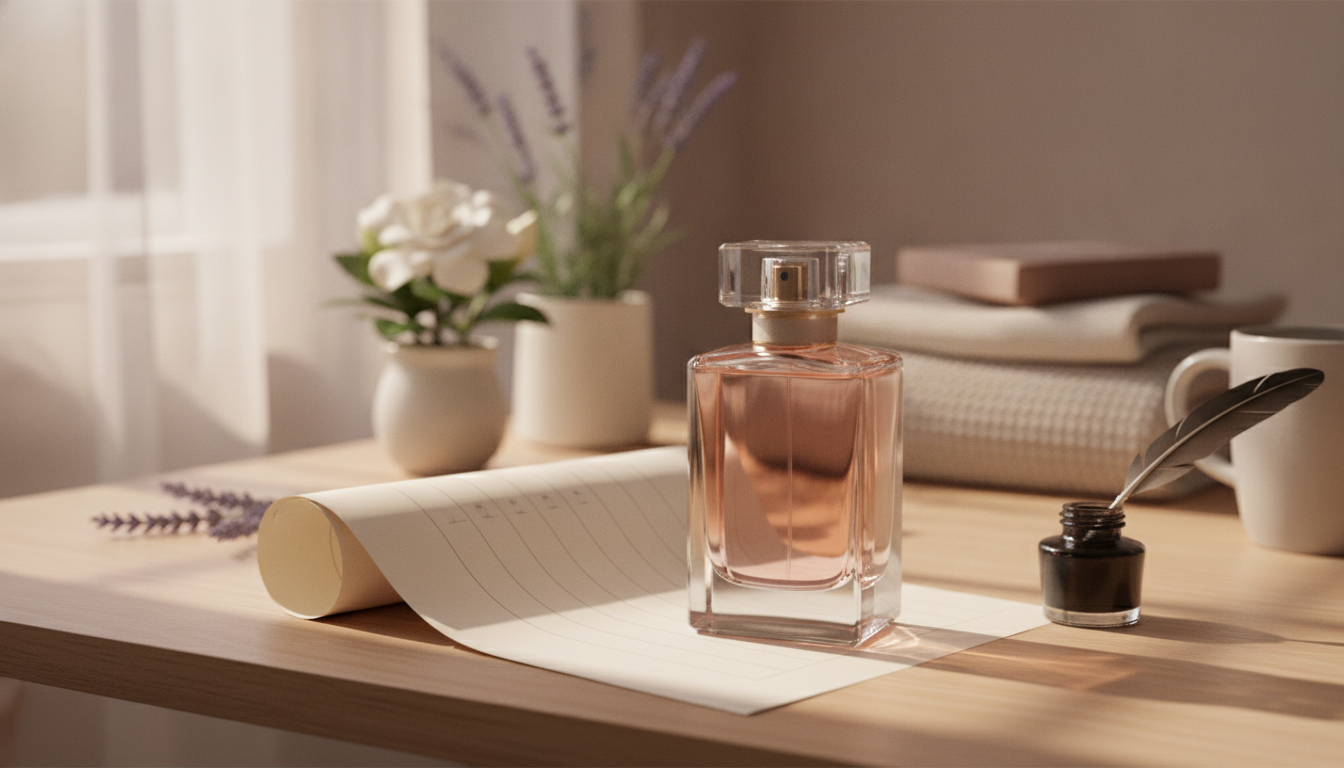
Choosing a fragrance can feel overwhelming when every bottle promises a different mood. A scent identity approach makes it simpler: clarify what you like, how you want to feel, and where you’ll wear it—then narrow down to a few fragrance families that consistently fit. This printable checklist and perfume personality guide is designed for women and men who want a clear, repeatable way to discover a signature scent (or a small scent wardrobe) without guesswork. For more guidance, see Fragrance consultations online: discover your perfume personality.
Scent identity is the intersection of preferences, lifestyle, and emotional intent. Instead of chasing whatever smells “nice” at the counter, you define a profile that matches the way you actually live—and the way you want to show up.
This approach cuts down impulse buys by turning “I like it” into practical criteria—fresh vs. warm, airy vs. dense, clean vs. sweet. It also leaves room for variety: one stable identity can branch into daytime, evening, and special-occasion options while still feeling unmistakably “you.”
Perfume changes over time, which is why first impressions can be misleading. Understanding structure helps you compare fragrances across brands—even when marketing descriptions differ.
Concentration can affect wear: eau de toilette often reads lighter, while eau de parfum is typically denser and longer-lasting (though formulas vary). Skin chemistry and climate matter, too—humidity can amplify sweetness, while dry air can mute delicate notes. For a straightforward overview of perfume structure, see Encyclopaedia Britannica’s explanation of perfume. For fragrance families and the classic fragrance wheel, The Fragrance Foundation’s education resources are a helpful reference: Fragrance Foundation: education.
Think of this as a quick personal audit before you sample. The goal is to make the next fragrance you buy feel intentional, not accidental.
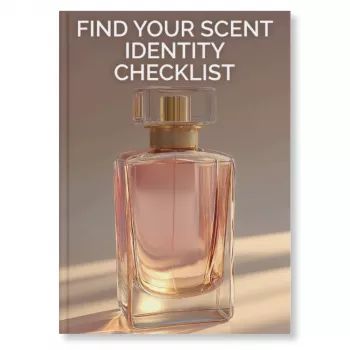
For a ready-to-print, single-page system that keeps all of this in one place, use Find Your Scent Identity Checklist (Printable Digital Download).
When you connect mood to fragrance families, you stop shopping by random descriptions and start shopping by “structure.”
| Vibe | Fragrance family direction | Common notes to look for | Best for |
|---|---|---|---|
| Clean & minimal | Musk / Citrus / Aromatic | bergamot, neroli, lavender, white musk | work, errands, gym-to-street |
| Cozy & comforting | Amber / Soft gourmand | vanilla, tonka, benzoin, praline | evenings, cold weather, date nights |
| Grounded & outdoorsy | Woody / Green | cedar, vetiver, fig leaf, oakmoss-style accords | weekends, travel, casual wear |
| Elegant & dressed-up | Floral / Chypre-leaning | jasmine, rose, patchouli (light), aldehydes | events, dinners, formal settings |
| Bold & mysterious | Spicy / Resinous / Smoky | incense, pepper, myrrh, leather nuances | night out, special occasions |
Style can help a scent read the way you intend—clean fragrances feel sharper with crisp basics, while warm ambers pair naturally with richer textures. For outfit finishing details that support your overall vibe, see The Ultimate Checklist for Choosing Shoes That Complete Your Look.
Use Find Your Scent Identity Checklist (Printable Digital Download) before shopping, at the counter, or while working through a discovery set at home.
Choose one anchor profile based on your lifestyle and preferred projection, then add one contrasting option (like fresh for day and warm for night). Keep cohesion by looking for a shared base you consistently enjoy, such as clean musk or soft woods.
Skin warmth, oils, and pH can shift how notes evaporate and how the base develops, while paper mainly shows the opening and mid. Residues from soap or lotion also alter perception, so a full-day skin test is the most reliable judge.
Sample in three steps (blotter, skin, full-day wear), write down dealbreaker notes, and evaluate the dry-down after several hours. Only commit when it matches your checklist criteria for vibe, projection, and setting.










Leave a comment