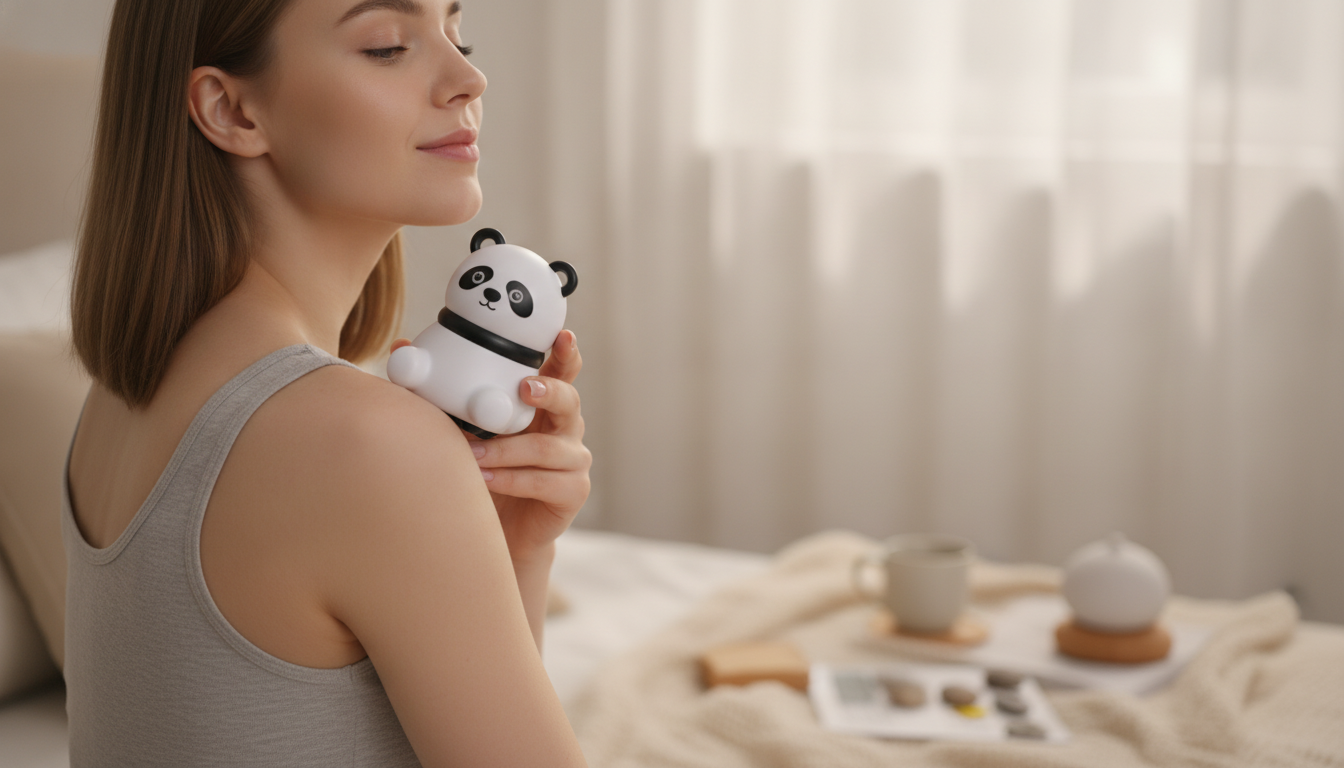
Tight shoulders after screen time, sore calves after a long shift, or a stiff lower back from travel can build up fast. A compact vibration massager is designed to deliver targeted stimulation in minutes—without scheduling appointments or setting up bulky equipment. The Electric Panda Mini Body Massager is a small, easy-to-grab option for spot relief across the body, with a playful design that fits naturally into a desk drawer, gym bag, or nightstand routine.
A mini vibration massager focuses on quick, localized stimulation—ideal for the everyday tension that comes from posture, repetitive tasks, workouts, and long periods of sitting or standing.
For general background on massage benefits and limitations, the National Center for Complementary and Integrative Health (NCCIH) notes that massage may help with short-term relief in some situations, but results vary by person and condition.
The best use case for a mini massager is simple: keep it close, use it often, and treat it like a “reset button” for tight areas—especially when full-size devices feel like overkill.
Mini massagers work best with light pressure, slow movement, and consistent timing. Think “melt tension,” not “dig it out.”
| Area | Suggested time | Helpful tip |
|---|---|---|
| Neck base & shoulders | 2–5 minutes | Keep pressure light; move slowly along tight bands |
| Upper back | 3–7 minutes | Work around shoulder blades, not directly on bones |
| Lower back (muscles only) | 2–5 minutes | Stay off the spine; avoid sharp pain |
| Calves | 2–6 minutes | Use long strokes upward after long standing |
| Feet | 1–4 minutes | Try through socks if sensitivity is high |
Vibration tools should feel soothing—not alarming. If your body flags it as “too much,” treat that as useful feedback and adjust immediately.
For additional context on muscle pain causes and when to get evaluated, see the Cleveland Clinic overview of muscle pain (myalgia).
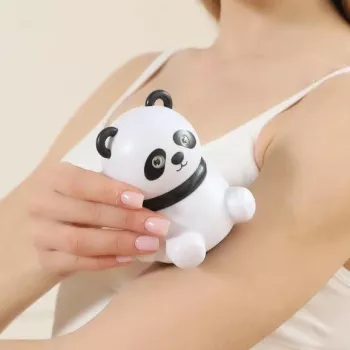
If you want an affordable, compact option for daily spot relief, the Electric Panda Mini Body Massager – Full Body Vibration Pain Relief Device is an easy add to a routine—especially for quick resets during the workday, after workouts, or before bed.
It can help support relaxation and provide temporary relief for muscles that feel tense or overworked, especially after long sitting, standing, or workouts. Results vary, and it works best alongside stretching, rest, and hydration rather than as a fix for an underlying injury.
Start with 30–60 seconds, then build up to a few minutes if it feels comfortable. Keep pressure light, move slowly, and stop if discomfort ramps up or if numbness/tingling appears and doesn’t fade quickly.
Avoid open wounds, bruises, inflamed tissue, and suspected fractures or sprains, and don’t press directly on the spine or bony areas. Use extra caution on areas with reduced sensation, and consult a clinician first if pregnant, you have implants, or you’re managing a medical condition.








Leave a comment