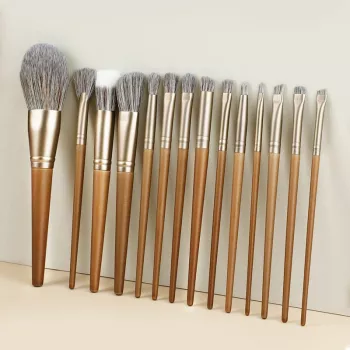
A complete brush lineup makes daily makeup faster, blending cleaner, and finishes more polished. This 27-piece set is built to cover complexion, eyes, brows, and detail work with enough variety to match different textures and techniques—without juggling mismatched tools. For more guidance, see 4 Best Makeup Brushes of 2026, Tested by Experts.
When brushes are designed to cover each step, makeup becomes more repeatable: the same placement, the same pressure, the same finish. A larger set also removes the “make do” factor—using one brush for everything can blur colors together, reduce payoff, and slow you down with constant wiping. For further reading, see Bs-Mall 18 Pcs Black Premium Synthetic Makeup Brush ….
If hygiene is part of the goal, it helps to follow evidence-based care guidance from sources like the American Academy of Dermatology Association and safe-use tips from the FDA.
Think in “jobs,” not names. A brush’s size, density, and shape usually matter more than the label on the handle.
| Brush type | Best for | Works best with | Quick tip |
|---|---|---|---|
| Large fluffy powder brush | Setting base, sweeping off excess | Loose/pressed powder | Press first, then sweep to avoid lifting |
| Dense foundation brush | Even coverage, buffing | Liquid/cream foundation | Apply in thin layers; buff in small circles |
| Angled blush/bronzer brush | Cheeks and warmth | Powder blush/bronzer | Start higher on cheekbone for a lifted effect |
| Tapered highlight brush | Targeted glow | Powder highlight | Tap on high points, then lightly blend edges |
| Fluffy crease brush | Soft transitions | Matte shadows | Blend with light pressure; add depth gradually |
| Flat shader brush | Packing pigment on lid | Shimmers, creams, foils | Press rather than swipe for stronger payoff |
| Small pencil/detail brush | Precise depth and smudging | Powder shadow, liner | Smudge along lash line for a softer liner look |
| Fine liner brush | Sharp lines and wings | Gel/cream liner | Wipe excess product for crisp edges |
A studio-ready full face is mostly about sequencing: lay down product in thin passes, then refine edges with the right brush shape. With a 27-piece set, it’s easy to keep “application” brushes separate from “blending” brushes.
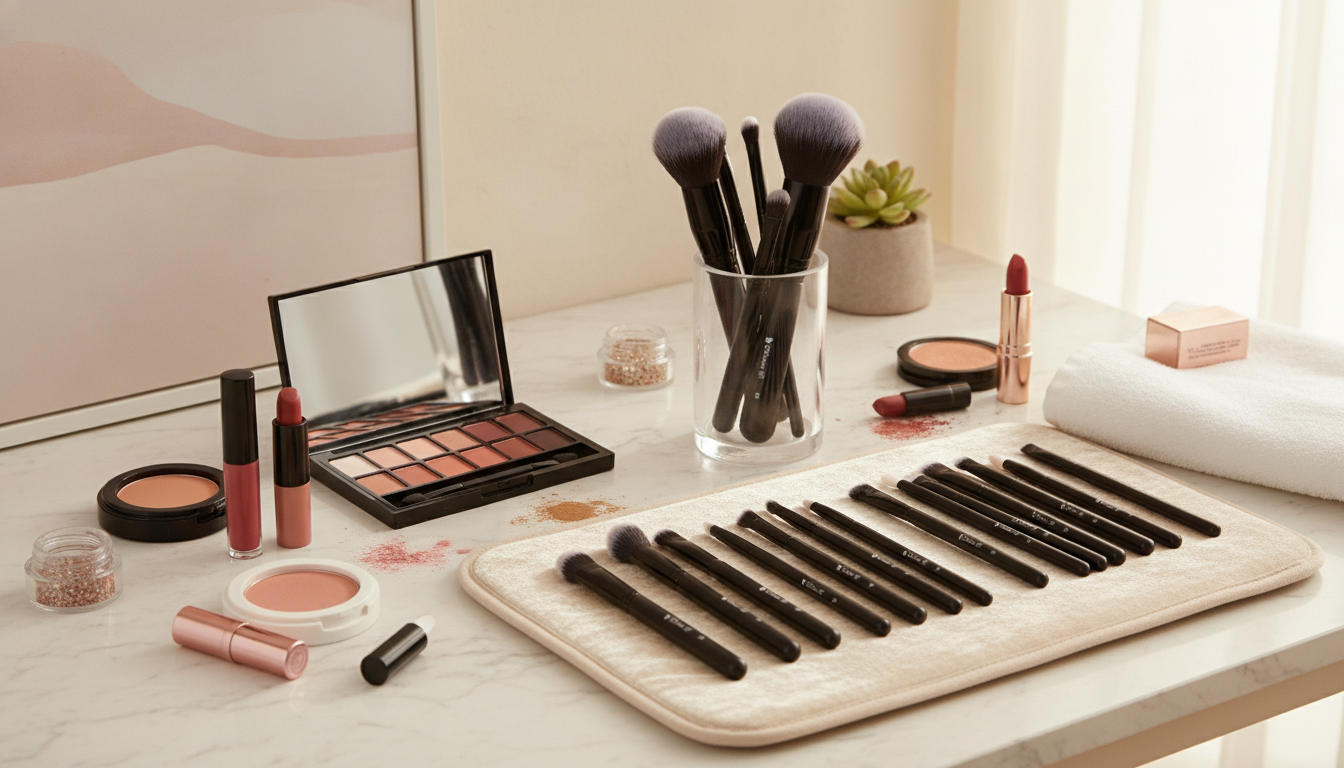
Brushes perform best when bristles stay flexible and the base stays secure. A simple schedule prevents buildup that can cause streaking, skipped pigment, or rough blending.
Spot-clean eye brushes often (especially when switching colors), and deep-clean face brushes about weekly—more frequently if you use cream products daily. Let brushes dry fully (flat or angled downward) before storing to help keep bristles soft and performance consistent.
Yes, but results are usually cleaner when you separate brushes by texture or wash thoroughly between uses. Cream residue can make powders grab, clump, or apply patchy, so if you must double-duty, remove buildup first and start with a light press-then-blend technique.
A dependable core includes a dense foundation/buffing brush, a medium blush/bronzer brush, and a fluffy powder brush for quick finishing. For eyes, keep a flat shader brush, a fluffy crease brush, and a small detail/liner brush to cover most everyday looks.









Leave a comment